


 DE
DE
 IT
IT

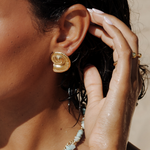

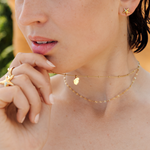
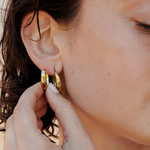
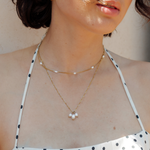
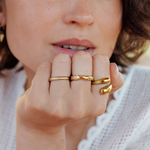
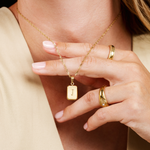
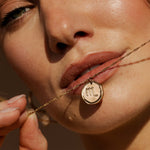
14K Gold Plating – Everything You Should Know About Gold-Plated Jewelry
What does 14K gold plating mean?
The term 14 karat gold plating describes a thin layer of 14-karat gold applied to a base material such as stainless steel, silver, or copper. 14 karat gold consists of 58.5% pure gold, with the remaining percentage made up of metals such as copper, silver, or palladium. This alloy ensures that the gold color retains its characteristic warm tone, while also being more stable and durable than pure, 24-karat gold.
Gold-plated jewelry offers the elegant appearance of real gold at a significantly lower price. Modern coating processes also allow the surface to be refined to be water-resistant, scratch-proof, and hypoallergenic. Especially in combination with 316L stainless steel, jewelry is created that not only looks high-quality but also withstands the demands of everyday life.

How is 14 karat gold plating applied?
The gilding of a piece of jewelry involves applying a fine layer of gold to the base material. Two methods have become particularly well-established.
In electroplating, also known as galvanic gilding, the jewelry piece is immersed in a gold bath. Electric current causes gold ions to deposit evenly on the surface. The thickness of this layer determines the durability of the gilding: thinner layers are often used for costume jewelry, while thicker gilding has a longer lifespan and is suitable for high-quality jewelry.
PVD coating (Physical Vapor Deposition) is a more modern process. In this method, gold is evaporated in a vacuum chamber and then applied to the jewelry surface. This method creates an extremely dense and abrasion-resistant gold layer that is particularly resistant to water, sweat, and mechanical stress.
Both processes ensure that gold-plated jewelry retains the luxurious appeal of real gold, while remaining more suitable for everyday wear and more attractively priced.

The Hue of 14 Karat Gold – And How It Differs From Other Gold Platings
14 karat gold has a warm, balanced color with a slightly reddish-golden shimmer. The tone appears softer and more natural than higher-karat gold types, making it suitable for many skin tones.
For comparison:
- 18 karat gold contains a higher gold content of 75 percent. It appears richer, more intense, and slightly more yellow. The color is luxurious, but the material is softer and more delicate.
- 24 karat gold consists of pure gold and has a deep, strong yellow-gold tone that is very elegant but also significantly softer and more susceptible to scratches.
- Gold plating with a lower karat value, such as 10K or 12K, appears lighter and cooler in tone. It contains more alloy metals like silver or nickel, which shifts the hue slightly towards white gold.
14 carat gold therefore offers the perfect balance: The gold tone is warm and classic, yet subtle enough to suit both cooler and warmer skin tones. This color harmony makes 14 carat gold plating so popular - it looks elegant, modern and suitable for everyday wear all at the same time.
Benefits of 14K Gold Plated Jewelry
A piece of jewelry with 14-karat gold plating ideally combines aesthetics and functionality. It looks like real gold but is significantly more robust and easier to care for. The high-quality alloy gives it longevity, while the gold layer maintains a warm, natural shine.
In combination with stainless steel or silver, a material is created that is waterproof, scratch-resistant, and skin-friendly. Thanks to the low nickel content in 316L stainless steel, this jewelry is also perfectly suitable for sensitive skin. Furthermore, gold-plated jewelry is particularly versatile – it suits simple everyday looks as well as elegant outfits.

Caring for 14K Gold Plated Jewelry
For the gilding to last a long time, gentle care is essential. Gold reacts sensitively to chemicals, so you should always apply perfume, hairspray, or creams first and only then put on your jewelry.
For cleaning, a soft microfiber cloth is usually sufficient to gently remove dirt and grease. If necessary, you can rinse the jewelry with lukewarm water and a little mild soap. Make sure to dry it thoroughly afterwards.
It is best to store your jewelry pieces individually in a soft pouch or a closed box. This way, you avoid scratches and unnecessary abrasion. If you take off your jewelry when exercising, sleeping, or swimming, the gilding will remain intact longer and retain its original shine for many years.
14K Gold Plating vs. Solid Gold
A common misconception is that gold-plated jewelry is a cheap imitation of real gold. In reality, there are clear differences – both in construction and in suitability for everyday use.
With 14-karat gold-plated jewelry, a thin layer of gold is applied to a durable base material. The result is a surface that looks like solid gold but is characterized by its higher strength and lower price.
Solid gold, on the other hand, consists entirely of a gold alloy. It retains its value and has a high intrinsic weight, but it can develop scratches more quickly with daily wear, as gold is a relatively soft metal.
For many jewelry lovers, gold-plated stainless steel is therefore the practical choice: it offers the elegant appearance of real gold, is more resistant to scratches and corrosion, and remains dimensionally stable even with regular wear.

Why 316L Stainless Steel is the Ideal Base
316L stainless steel, also known as surgical steel, is one of the most popular materials for gold-plated jewelry. Its smooth surface allows the gold layer to adhere particularly evenly, ensuring a long-lasting gold plating.
This stainless steel is almost entirely waterproof, corrosion-resistant, and extremely robust. Additionally, it contains only very small amounts of nickel, making it considered hypoallergenic and preventing irritation even for sensitive skin.
Compared to softer metals like copper or 304 stainless steel, 316L stainless steel retains its shape longer and does not tarnish. This makes it perfect for jewelry worn daily – such as necklaces, earrings, or rings that regularly come into contact with water and skin.
Areas of Application for 14 Karat Gold-Plated Jewelry
The combination of a durable stainless steel base and high-quality gold plating allows for the creation of jewelry that is both elegant and suitable for everyday wear. 14-karat gold-plated jewelry is often used for rings, bracelets, necklaces, and earrings. Designers also frequently use this material to create luxurious looks that remain affordable.
Thanks to its skin-friendly properties, it is also ideal for sensitive skin areas such as the ears or neck. Whether it's a minimalist design or striking statement pieces – 14-karat gold-plated jewelry combines quality, style, and comfort.
FAQ: Frequently Asked Questions about 14 Karat Gold Plating
How long does 14 karat gold plating last?
Durability depends on the thickness of the gold layer and how it is used. With high-quality workmanship and careful maintenance, the gilding can last for several years without visibly losing its shine. However, mechanical friction or aggressive chemicals can wear down the surface over time.
What is the difference between 14k gold plating and solid gold?
Solid gold consists entirely of a gold alloy, whereas gold-plated jewelry is only coated with a thin layer of gold. The difference therefore lies in the core material. Gold-plated jewelry is more affordable and often more durable, while solid gold retains its value for generations.
Can gold-plated jewelry tarnish or discolor?
High-quality gold plating, especially on stainless steel, is extremely resistant to tarnishing and discoloration. The surface can only slowly fade if it is in permanent contact with perfume, chlorine, or aggressive cleaning agents.
Is 14k gold-plated jewelry hypoallergenic?
Yes, especially when 316L stainless steel is used as the base. This alloy is nickel-free and skin-friendly, which is why people with sensitive skin can wear the jewelry without problems.
Can gold plating be renewed?
Yes, the gold layer can be re-applied by specialist workshops. Especially with galvanic gilding, the shine can be easily refreshed. PVD-coated jewelry is generally even more durable, but can also be refinished if the surface has been subjected to wear and tear over many years.