


 DE
DE
 IT
IT


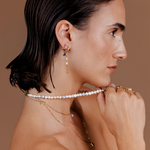
Hypoallergenic & Nickel-Free Jewelry - What Does That Really Mean?
Why is skin compatibility so important for jewelry?
Jewellery is much more than an accessory, as we often wear it daily, it lies directly on our skin, and often even has emotional value. This makes the question of how compatible the materials of the jewellery are, so that they do not trigger contact allergies, and of course their longevity, all the more important. Many people know the problem: a new ring or necklace quickly leads to itching, redness, small blisters, or other skin irritations. Usually, nickel is behind it, one of the most common allergy-causing metals worldwide. That's why terms and properties such as hypoallergenic and nickel-free are so important when it comes to jewellery. But what do they actually mean, and what should one look out for?

What does hypoallergenic jewelry mean?
The term hypoallergenic is made up of the Greek "hypo" (less) and "allergen" (irritating). Jewelry labeled as hypoallergenic is manufactured in such a way that it rarely causes allergic reactions. However, this does not mean that it is completely free of nickel or other metals. What is crucial is whether these metals are actually released onto the skin, which in turn causes skin irritation.
- 316L stainless steel (surgical steel) contains nickel, but releases very little of it. Thanks to its dense surface, it is considered hypoallergenic and is even used for implants in medical technology.
- Titanium and niobium contain no nickel at all and are therefore naturally hypoallergenic.
In short: Hypoallergenic reduces the risk of skin reactions and allergies, but does not exclude it 100%.

What does "nickel-free jewelry" mean?
"Nickel-free" sounds clear, but in practice it's not always. Jewellery can be sold as nickel-free in the EU if the nickel release is below a strictly defined limit. This means:
- Nickel may be present in the alloy.
- As long as it is so strongly bound that it is practically not released onto the skin, the jewellery is considered nickel-free, as it causes no or only very rare reactions.
This is completely harmless for most people. However, those who react extremely sensitively should resort to truly low-nickel or pure-nickel materials such as titanium or niobium.
Nickel in Jewelry: Why Are So Many People Reacting?
Nickel is popular in jewelry manufacturing because it hardens metals and protects them from rust. The problem: Around 10–20% of the population are sensitive to nickel. The skin recognizes the metal as "foreign" and reacts with inflammatory signs such as itching, redness, or eczema.
Jewelry worn continuously is particularly critical – such as rings, earrings, bracelets or necklaces, and especially piercings. Even the smallest amounts of nickel released by sweat or moisture can trigger symptoms. And: once a nickel allergy has developed, people usually remain sensitive to it for life.

Which jewelry materials are hypoallergenic or nickel-free?
So that customers know what to look out for, here is an overview of the most important materials:
- 316L Stainless Steel (Surgical Steel): Contains nickel, but releases very little. Very robust, waterproof, and hypoallergenic – the first choice for high-quality fashion jewelry.
- 304 Stainless Steel: Also rust-free, but less durable. Nickel can be released more quickly by sweat or cosmetics, making it not ideal for sensitive skin.
- Titanium and Niobium: Naturally nickel-free and extremely skin-friendly. They are considered the safest materials for allergy sufferers but are often more expensive.
Silver and Gold: Fine silver (99.9%) and high-carat gold (from approx. 14K) are generally well-tolerated. For lower alloys, attention should be paid to the nickel composition.
Stainless Steel vs. Costume Jewelry: What are the Differences Regarding Nickel?
A key difference between high-quality hypoallergenic jewelry and simple fashion jewelry lies in the nickel content and its release. While jewelry made from 316L stainless steel or titanium releases virtually no nickel due to its dense, corrosion-resistant surface, inexpensive fashion jewelry is often made from copper, brass, or zinc alloys. These materials usually contain more nickel, which is more easily released to the skin through sweat or moisture. Especially with rings, bracelets, or necklaces, this can lead to skin irritation or allergies. With ear jewelry, i.e., earrings or piercings, inflammations often occur, requiring a visit to the dermatologist. Anyone with sensitive skin or who already reacts to nickel should therefore consciously choose hypoallergenic stainless steel jewelry, as it is not only more skin-friendly but also more durable and water-resistant.
Legal regulations: What the EU stipulates
To protect consumers, there is the EU Nickel Directive. It specifies the maximum amount of nickel that may be released from jewelry per week. Products that comply with these specifications may be referred to as nickel-free and hypoallergenic, even if nickel is present in the alloy.
This reliably protects most people. Nevertheless, it can happen that very sensitive allergy sufferers react even to legally compliant jewelry. In such cases, materials such as titanium, niobium, or high-carat gold are the safer choice.

Tips for Choosing Hypoallergenic Jewelry
Especially those with sensitive skin or a history of nickel allergy should take a closer look when buying jewelry. A few tips can help avoid skin reactions:
- Pay attention to the material: 316L stainless steel, titanium, niobium, sterling silver, or high-carat gold are particularly recommended. These are ideal for allergy sufferers and generally do not cause skin reactions.
- Check water resistance: Water-resistant jewelry releases less nickel even when exposed to sweat or water. This way, you get durable pieces that are good for your skin and simultaneously retain their shine.
- Don't forget care: Clean jewelry regularly with a soft cloth and store it dry. Avoid contact with harsh chemicals, perfume, or chlorinated water if possible.
Choose robust materials: Jewelry made from 316L stainless steel or titanium, for example, is less prone to scratches and surface damage, so any nickel it might contain cannot be released in the first place.
Hypoallergenic & Nickel-Free Jewelry at LUAMAYA
At Luamaya, we place great emphasis on skin compatibility. That's why we exclusively use 316L stainless steel in our collections, a hypoallergenic material that is waterproof, durable, and ideally suited for sensitive skin. The combination with high-quality gold plating creates jewelry that not only looks elegant but is also comfortable to wear every day.
You can be sure: our stainless steel jewelry is nickel-free according to EU standards, skin-friendly, and suitable for everyday wear, without compromising on quality or design. You can find more about our materials and their care in our Material & Care section.
FAQ: Hypoallergenic & Nickel-Free Jewelry
Is hypoallergenic always automatically nickel-free?
No. Hypoallergenic means that a piece of jewelry is manufactured in such a way that it rarely causes reactions. Nickel may be included, but it is bound in such a way that it is hardly released. However, EU guidelines must always be followed in this regard.
Which jewelry is truly nickel-free?
Good alternative solutions are completely nickel-free metals such as titanium, niobium, or platinum. Stainless steel can also be considered nickel-free if the nickel release is below the legal limits. For silver and gold, it is always important to pay attention to the alloy. Sterling silver and gold of 14 karats and above are generally nickel-free and hypoallergenic.
Is stainless steel hypoallergenic?
Yes, especially 316L stainless steel is considered hypoallergenic. It contains nickel, but hardly releases any because it is waterproof and corrosion-resistant. Its robust and scratch-resistant surface makes it perfect for jewelry, even with high-quality 14-karat gold alloys. That's why it is also used in medical technology and called surgical steel, for example.
Which jewelry is best for allergy sufferers?
Titanium, niobium, high-carat gold, or platinum are the safest options. For those seeking robust, low-maintenance jewellery, 316L stainless steel (surgical steel) is also a good choice, as its low nickel content makes it hypoallergenic. It is important that the jewellery is waterproof, as this prevents the nickel it contains from being released.
How do I properly care for hypoallergenic jewelry?
Clean jewelry regularly with a soft cloth and mild water. Avoid perfume, chlorine, or detergents, as these can damage the surface, making it easier for nickel to be released. You can certainly keep it on during sports, but if you sweat a lot, you should still proceed with a little caution. This way, your jewelry will remain durable and skin-friendly.
What is the difference between hypoallergenic stainless steel jewelry and costume jewelry?
Hypoallergenic jewelry – for example, made of 316L stainless steel, titanium, or platinum – releases virtually no nickel, making it skin-friendly and durable. In contrast, fashion jewelry often contains higher levels of nickel, which can be released by sweat or moisture. This significantly increases the risk of skin irritation, allergies, or inflammation.