


 DE
DE
 IT
IT

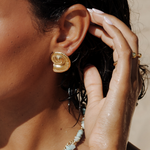

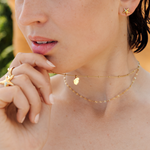
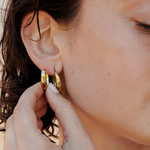
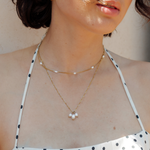
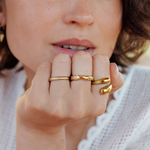

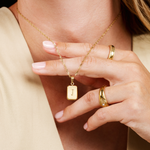

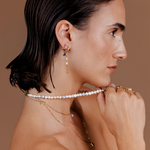
Gold-plated Stainless Steel – Elegance Meets Durability
Gold-plated stainless steel is a jewelry material that combines the robustness of stainless steel with the elegant look of gold. During manufacturing, a thin layer of gold (gold plating) is applied to stainless steel, usually through processes such as electroplating or PVD coating. This technique allows for jewelry pieces that are durable, skin-friendly, and at the same time more affordable than solid gold.

Properties of Stainless Steel
Jewelry is predominantly made from 316L stainless steel (also known as surgical steel), which is characterized by the following features:
- Waterproof and corrosion-resistant, retaining its color and structure even with regular contact with water
- Hypoallergenic, suitable for sensitive skin because it is low in nickel
- High strength and scratch resistance compared to softer precious metals like sterling silver or gold
- Sustainable, because stainless steel is durable and recyclable, making it a resource-saving alternative
316L Stainless Steel vs. 304 Stainless Steel – Which is Better for Jewelry?
- 316L stainless steel, also known as surgical steel, contains molybdenum in addition to chromium, steel, and nickel. This element increases resistance to corrosion and makes the steel more resistant to salt and chlorinated water. The "L" stands for "Low Carbon". This makes 316L less susceptible to rust and corrosion and keeps it stable and shiny even after years. Due to its low nickel content, it is also skin-friendly and hypoallergenic.
- 304 stainless steel is also widely used, but more frequently in everyday objects such as cutlery or kitchen utensils. In the jewelry sector, it is less resistant to external influences: water, sweat or cosmetics can cause discoloration more quickly. In addition, 304 stainless steel contains more nickel, which can lead to irritation in sensitive skin.
For high-quality jewelry, 316L is therefore the preferred choice. It is hypoallergenic, waterproof and durable, so that jewelry retains its shape and shine even with regular wear. Especially in combination with high-quality gold plating, a particularly resistant alloy is created that makes jewelry shiny and easy to care for.

Gilding & Process
Stainless steel can be gold-plated in various ways:
- In galvanic gold plating, the jewelry is immersed in an electrolyte bath where, due to electric current, gold ions are uniformly deposited on the stainless steel surface. This method has been used for many decades and creates a uniform, smooth gold layer.
- PVD coating (Physical Vapour Deposition), on the other hand, is a modern high-tech process in which the gold layer is evaporated in a vacuum chamber. This creates an extremely strong bond between stainless steel and gold, making it particularly abrasion and scratch resistant. Jewelry with PVD coating often retains its original luster significantly longer.
The thickness of the gold layer determines its durability. Gold plating in 14 or 18 carat is common, giving jewelry the typical warm luster of yellow gold or rose gold – and making it optically almost indistinguishable from real gold.
Gold-Plated Stainless Steel vs. Real Gold – A Direct Comparison
Jewelry made from real gold is a classic that stands for timeless elegance and impresses with its high intrinsic value. However, real gold is significantly softer, more susceptible to scratches, and considerably more expensive. Gold-plated stainless steel offers an attractive alternative: The combination of a robust stainless steel base and high-quality gold plating provides a similar look to real gold, but at a fraction of the price. Furthermore, stainless steel is more suitable for everyday wear due to its strength and corrosion resistance, whereas real gold shows signs of wear more quickly with frequent use.
Benefits of gold-plated stainless steel include:
- A noble, shiny look at a more affordable price than solid gold
- High water resistance and suitability for everyday use
- A low allergy risk due to low-nickel platings
- Extremely easy care, where cleaning usually only requires water and mild soap

Care & Durability
How long the gold plating lasts depends on the quality of the coating and how the jewelry is handled. Direct contact with perfume, hairspray, chlorine, or aggressive cleaning agents can attack the gold layer over time. To ensure the jewelry shines for a long time, we recommend:
- Cleaning the jewelry with a soft cloth after wearing
- Storing it dry and separately, ideally in a fabric pouch or jewelry box
- Applying cosmetics such as cream or perfume first, and then putting on the jewelry
With careful care, jewelry with gold plating can retain its color and shine for many years, and you can enjoy a look that comes very close to real gold.
Gold-Plated Stainless Steel at LUAMAYA
At LUAMAYA, we exclusively use high-quality 316L stainless steel, which is finished with 14-karat gold plating. This makes our jewelry waterproof, durable, and skin-friendly. Perfect for you to wear every day, without compromising on quality.
The combination of a robust base and an elegant gold layer creates designs that appear both timeless and modern. Our necklaces, earrings, and rings are particularly popular, retaining their shine and color even with regular wear.
Further information on material processing and care tips can be found directly on our Material & Care page.
FAQ - Frequently asked questions about gold-plated stainless steel
Is gold-plated stainless steel waterproof?
Yes, jewelry made of gold-plated stainless steel is generally water-resistant, as stainless steel itself does not rust or tarnish. The gold plating also protects the surface. However, the gold layer can suffer over time if the jewelry regularly comes into contact with chlorinated or salt water. Brief handwashing or showering is usually not a problem, but prolonged swimming or frequent sauna visits should be avoided to protect the coating.
How does gold-plated stainless steel differ from gold-plated silver?
At first glance, gold-plated silver appears similarly exquisite but is significantly more delicate. Silver tarnishes over time, necessitating regular cleaning. Stainless steel, on the other hand, is harder, corrosion-resistant, and much easier to care for. This means that gold plating on stainless steel often lasts longer, and jewelry items retain their radiant appearance even with everyday wear.
How long does gold plating last on stainless steel jewelry?
Durability depends on several factors: the coating process (electroplating or PVD), the thickness of the gold layer, and the type of use. Jewelry with a PVD coating is particularly abrasion-resistant and can be worn for many years with good care without visibly losing its shine. For electroplated jewelry, the layer is somewhat thinner but can also remain beautiful for years if contact with chemicals, sweat, or strong friction is avoided.
Is gold-plated stainless steel suitable for allergy sufferers?
Yes, 316L stainless steel is hypoallergenic and therefore also suitable for sensitive skin. The nickel content is so low that skin reactions usually do not occur. As the surface is additionally coated with a layer of gold, the skin comes into contact almost exclusively with gold – a material that is very well tolerated by most people.
Can gold-plated stainless steel rub off or tarnish?
No, unlike fashion jewelry made of brass or copper, stainless steel does not tarnish or discolor. The gold layer is firmly bonded to the stainless steel and does not change color. Only with very intensive use or improper care can the gilding become thinner over time, making the stainless steel base slightly visible.
What's the best way to care for gold-plated stainless steel jewelry?
The easiest way to clean them is with lukewarm water and a little mild soap, then dry them with a soft cloth. Abrasive cleaners or hard brushes should be avoided so as not to unduly stress the surface. Jewelry should also be stored separately, preferably in a cloth bag or a jewelry box, to prevent scratches from other pieces.