


 DE
DE
 IT
IT


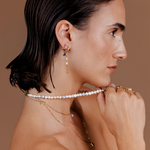
What Are Chokers: History, Meaning, and Modern Neck Jewelry
The choker is one of the most striking forms of neck jewelry. Hardly any other necklace sits as close to the neck and emphasizes the base of the neck as clearly as it does. In this article, we provide an overview of the history, meaning, and fashionable development of the choker in the world. Despite changing fashion trends, the choker has never completely disappeared and repeatedly experiences strong comebacks. Today, it is a versatile accessory that can be interpreted in various ways, from minimalist to expressive.
What is a choker?
A choker is a short necklace or collar worn snugly around the neck. The term "choker" refers to a specific type of neck jewelry and differs from other types of necklaces due to its particularly close fit. The name is derived from the English word to choke, which means "to strangle" or "to suffocate." This does not imply an uncomfortable sensation when worn, but rather that it sits very close to the body.
Unlike longer necklaces, a choker ends directly at the base of the neck. A choker can be referred to as a band or a choker necklace and ranges from simple fabric bands to more elaborate variations made of leather, velvet, or metal. Chokers are usually worn at the thinnest part of the neck. Many models feature an extender chain to allow for individual length adjustment and to ensure a comfortable fit.

History of the Choker
The history of the choker goes back a long way. Examples of chokers can be found in Mesopotamia, where they were considered a remedy and protective amulet, as well as in Egypt and later in European history. In Egypt, wide necklaces made of pearls, gold, and gemstones were worn, often as a status symbol or protective symbol. The use of lace as a decorative element was also common in historical chokers.
In 18th and 19th century Europe, the choker became particularly popular among the upper class. Many portraits of historical figures feature chokers, underscoring their stylistic and social significance. In the 1920s, luxurious chokers with diamonds, pearls, and lace became known as 'Colliers de chien'. In these cases, the choker reflected both social affiliation and fashion trends.
In the 20th century, the choker underwent several style changes and took on various meanings and roles, as a protective amulet, a romantic gesture, or a fashion statement. The popularity of chokers experienced a revival in the 1960s and 1970s when musicians like David Bowie and Mick Jagger wore them. In the 1990s, the plastic band tattoo choker became a symbol of an entire generation. Since then, the choker has been an integral part of the fashion world and has been given new life again and again throughout history.
Meaning and symbolism
The meaning of the choker has changed over time. In the past, the necklace often symbolized status, belonging, or protection. In some cultures, it also had a spiritual function.
Today, the choker is primarily worn as an expression of style, femininity, and self-confidence. For many, it is a piece of jewelry that symbolizes strength and individuality. At the same time, a choker can be very simple and merely represent a fashionable detail in an outfit.

Materialien und Designs
Chokers come in a wide variety of materials. Classic models are made of velvet, fabric ribbon, or leather. Modern choker necklaces are often made of gold, silver, or gold-plated metals. Pearls, beads, delicate pendants, or gemstones are also used. Chokers adorned with precious stones are particularly striking, as they emphasize the value and aesthetics of the piece of jewelry.
Chokers with pearl chains, small diamonds, or cubic zirconia are particularly popular. These variations appear more elegant and can be combined with simple looks.
Types of Chokers
Over time, different types of chokers have evolved. The classic velvet choker is reminiscent of historical neckbands. The tattoo choker picks up on the style of the 90s and appears casual and playful.
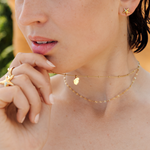
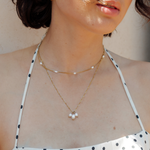
Modern choker chains are often made of metal and can be easily combined with other necklaces. Particularly popular is the layering look, where a choker is worn with longer chains. This creates depth and an interesting dimension in the neck jewelry.

Fit, length, and comfort
A choker should fit snugly without being constricting. The right length is crucial for comfort. That's why many chokers come with an extender chain to allow for individual adjustment to the neck.
Depending on neck shape and personal preference, a choker can be chosen to be very narrow or somewhat wider. Narrow models appear subtle, while wider necklaces make a clear fashion statement.
Combining and styling chokers
Chokers can be combined in many ways. Particularly popular is the combination with longer necklaces to create a modern layering look. Multiple chokers in different materials can also be worn together.
For everyday wear, simple chokers go well with T-shirts, blouses, or dresses. For special occasions, chokers with pearls, gemstones, or diamonds look particularly elegant.

Buying and Caring for Chokers
When buying a choker necklace, it's worth paying attention to high-quality materials and careful craftsmanship. The selection ranges from classic choker chains made of gold or silver to modern variations like the popular tattoo choker made of flexible plastic. Chokers with pearls, delicate pendants, or in combination with other materials also offer the perfect piece of jewelry for every taste and style.
Proper care is essential for your choker to retain its shine for a long time. Choker chains made of precious metals like gold or silver should be cleaned regularly with a soft cloth to prevent tarnishing and oxidation. Models with pearls or delicate details require particularly gentle treatment; here it is advisable to use special jewelry cleaning products and avoid harsh cleaning agents.
Storage also plays an important role: Choker necklaces are best stored individually and protected from moisture and direct sunlight. This prevents scratches, discoloration and tangles. If you wear your choker regularly, you should protect it from contact with perfume, hairspray or other chemicals to avoid damaging the material.
With the right care and a conscious selection, the choker necklace becomes a faithful companion that constantly enhances your look. Whether classic, modern or extravagant, chokers are an indispensable part of the fashion world and offer countless opportunities to express your personality through jewelry.
Chokers at LUAMAYA
At LUAMAYA, chokers are a staple in our jewelry collection. The designs are crafted to seamlessly integrate into everyday wear while maintaining a modern aesthetic. Stainless steel, either with 14-karat gold plating or rose gold plating, makes the necklaces waterproof and hypoallergenic, while accents like pearls or cubic zirconia add character to the piece.
Many models are deliberately simple to allow for easy layering with other necklaces. The focus is on a comfortable fit, clean lines, and a timeless look that transcends short-lived trends.
FAQs - Frequently Asked Questions about Chokers
What exactly is a choker?
A choker is a short necklace or collar worn snugly around the neck, sitting directly at the base of the throat.
Where does the name "Choker" come from?
The name comes from the English word "to choke" and refers to the snug fit, not an uncomfortable feeling when worn.
What materials are typical for chokers?
Chokers are made of velvet, fabric, leather, silver, gold, gold-plated metals, and with pearls or gemstones.
Are chokers just a trend?
Chokers regularly make a comeback, but they have been part of jewelry history for centuries and are more than a short-term trend.
How do I style chokers correctly?
Chokers can be easily combined with longer necklaces or worn as a single piece of jewellery. The layered look is particularly popular.
Are chokers comfortable to wear?
Yes, if the length is right. Many chokers have an extension chain to adjust the fit individually.