


 DE
DE
 IT
IT




Distinguishing between fashion jewelry and fine jewelry
Jewellery has accompanied people for centuries. It adorns, tells stories and expresses personality. Whether delicate rings, eye-catching earrings, simple necklaces or filigree bracelets, jewellery has long been more than just an accessory. But anyone who delves into the subject quickly comes across the question of how fashion jewellery and fine jewellery differ.
At first glance, many pieces of jewellery look similar. A gold-plated bracelet can shine just like real gold, a sparkling stone in a fashion jewellery setting can resemble a diamond. But on closer inspection, clear differences emerge: in the materials, the workmanship, the price and also in the durability.
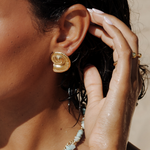
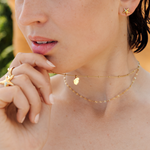
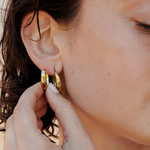
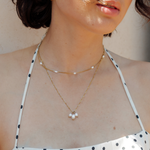
Brands like LUAMAYA show that the boundaries between fashion jewellery and fine jewellery do not always have to be strictly drawn. By using 316L stainless steel and 14 carat gold plating, pieces of jewellery are created that are durable, skin-friendly and visually hardly distinguishable from solid gold jewellery.

Materials and Their Differences
The biggest difference between costume jewelry and fine jewelry lies in the material. Fine jewelry is made from precious metals such as gold, silver, white gold, or platinum. These metals are durable, do not tarnish, and retain their shine for decades. There is usually a hallmark on the jewelry pieces – for example, 333, 585, or 750 for gold, which corresponds to the fineness of the precious metal, or 925 for sterling silver.
Costume jewelry, on the other hand, is usually made from cheaper alloys or metals such as brass, copper, or zinc. The surface is often gold-plated or silver-plated to mimic the appearance of real gold or silver. In inexpensive versions, this layer wears off over time, revealing the underlying metal color.
A special case is high-quality gold-plated jewelry, such as we use at LUAMAYA. Here, 316L stainless steel forms the base, a material that is robust, hypoallergenic, and corrosion-resistant. By combining it with a real 14K gold plating, a piece of jewelry is created that remains durable in everyday life and at the same time retains an authentic gold luster. This combines the aesthetics of fine jewelry with the everyday suitability of costume jewelry.

Gemstones, Jewelry Stones and Their Effects
In addition to metal, stone also plays a role. Genuine gemstones like sapphire, topaz, garnet, or diamond are distinguished by their natural structure, depth, and refraction of light. No two stones are alike. They form over millions of years in the earth and are accordingly valuable.
Fashion jewelry, on the other hand, often uses imitation stones made of glass, zirconia, or synthetic materials. These can look deceptively real but do not possess the same depth or luster in the light. While diamonds refract light in many facets, artificial stones often appear uniform and without the fine nuances of a genuine gemstone.
With gold-plated stainless steel, both worlds can be well combined: designers integrate both genuine gemstones and high-quality synthetic stones to achieve vibrant colors, sparkling surfaces, and fashionable effects. The result is jewelry pieces that remain affordable yet possess character and expressiveness.

Processing and Quality
Another factor that determines quality is the workmanship. Real jewelry is usually handcrafted or produced in small series. Settings, links, and clasps are precisely crafted, and the transitions between metal and stone are smooth.
With fashion jewelry, especially inexpensive variants, these details are often less carefully executed. Settings may be glued instead of soldered, clasps may appear light and unstable, and the surface may look uneven.
High-quality gold-plated stainless steel shows that fashion jewelry no longer has to be a purely disposable product. A uniformly applied PVD coating or galvanic gold plating ensures a strong bond between the gold layer and the metal. This preserves the shine for many years, even if the piece of jewelry is worn regularly.
Weight, luster, and color
Precious metals have a higher density than base metals. That's why real jewelry usually feels heavier and more "solid" to the touch. The luster is also different: gold jewelry shines with a warm and deep glow, while a gold-plated surface often appears somewhat brighter or more uniform.
Silver jewelry has a cool and clear shine but can tarnish easily over time. However, a simple cleaning quickly restores its original luster. Costume jewelry, especially with thin gold plating, on the other hand, can discolor if it comes into contact with water, perfume, or sweat.
At LUAMAYA, this effect is precisely avoided by combining stainless steel with 14K gold plating. The surface is durable, color-stable, and remains golden and shiny even with regular wear.

Price and Value
The price difference between fashion jewelry and real jewelry results directly from the materials used and the craftsmanship. Gold, silver, and platinum are precious metals with a stable market value based on their fineness. Gemstones such as diamonds or sapphires also have a measurable material value that influences the price of a piece of jewelry.
Fashion jewelry is more affordable because it is made from inexpensive metals and synthetic stones. This makes it ideal for experimenting with trends and trying out different looks. However, this does not mean that fashion jewelry is automatically inferior.
High-quality gold-plated stainless steel has established itself as a durable alternative. It offers many options, is nickel-free, skin-friendly, and remains wearable even after years. While fine jewelry convinces with its material value, fashion jewelry scores with versatility and design freedom.
Production and Origin
The manufacturing process also differs significantly. Fine jewelry is often made in smaller workshops or by jewelers. Here, craftsmanship, precision, and knowledge of precious metals and gemstones are paramount. Each piece is created with a focus on quality and durability.
Fashion jewelry is usually produced in larger factories, often in countries like China or India. The focus here is on design variety and cost-efficiency. However, brands like LUAMAYA emphasize a more conscious approach: high-quality materials, controlled production, and designs that are timeless rather than short-lived. This creates a jewelry offering that bridges the gap between fashion and value.
Tips for differentiation
If you're unsure whether a piece of jewelry is real or gold-plated, there are a few features to look out for:
- Hallmark or stamp: Real jewelry usually has a mark indicating its fineness.
- Weight: Precious metals feel heavier and denser.
- Color: Real precious metals retain their color, even after years.
- Workmanship: Secure settings, clean edges, and sturdy clasps are a good sign.
- Price: A conspicuously low price is often an indication of fashion jewelry.
If in doubt, a jeweler can help determine the value and material of a piece of jewelry.

Jewelry between Fashion and Value
Whether it's a delicate gold ring with a gemstone, a gold-plated stainless steel chain, or playful earrings with colorful stones – jewelry always moves between fashion and durability. While fine jewelry primarily represents lasting value, fashion jewelry offers the opportunity to express style and personality anew again and again.
At LUAMAYA, we combine both: the brilliance and look of real gold, combined with the robustness and everyday suitability of stainless steel. This makes jewelry something that not only looks beautiful but also brings long-lasting joy – regardless of price or category.